
Storm Restoration: What to Do After Your Home Is Affected

When a storm hits your home, the aftermath can feel overwhelming and uncertain. Strong winds, heavy rainfall, flooding, and flying debris can leave sudden and unexpected damage that disrupts your living space and threatens your family’s comfort and safety. Homeowners often face a mix of structural issues, utility problems, and emotional stress immediately following a storm event. Understanding what steps to take—and in what order—is essential not only for protecting your property but also for ensuring a smooth, efficient recovery. Storm restoration requires both urgency and strategic decision-making, especially when safety hazards, insurance processes, and repair timelines come into play.


The storm restoration industry continues to evolve as homeowners increasingly seek fast, reliable solutions to storm damage. With severe weather events becoming more frequent, knowing how to respond after a storm is more relevant than ever. Modern restoration practices focus on safety-first response, thorough damage assessments, moisture detection technology, and high-quality structural repairs. By learning the correct post-storm procedures, you can minimize long-term damage, prevent unnecessary expenses, and restore your home with confidence. This guide outlines essential steps, expert recommendations, and actionable strategies every homeowner should follow immediately after storm damage occurs.

Prioritizing Safety After a Storm

Ensure Personal and Family Safety

The moments after a storm can present hidden dangers. Downed power lines, damaged roofs, broken windows, and unstable structures can make re-entering your home risky. Before stepping inside, check for hazards such as sagging ceilings, leaning walls, or exposed electrical wiring. Do not turn on lights or appliances until you’re certain the electrical system is safe, as moisture intrusion can cause shorts or sparks.

Avoid Contaminated Floodwater

If flooding occurred, avoid contact with standing water, which may contain bacteria, sewage, or hazardous chemicals. Floodwaters can also conceal sharp objects or structural instability. Professional teams use protective equipment and specialized pumps to safely remove water before inspections begin.

Shut Off Utilities When Needed

If you smell gas, hear hissing, or see damaged utility lines, shut off systems immediately if safe to do so. Gas leaks and electrical malfunctions are two of the most common hazards following severe storms. Contact utility companies for emergency assistance rather than attempting repairs independently. This precaution helps prevent fires, explosions, or electrical injuries.

Conducting a Detailed Damage Assessment

  • Inspect the Home Exterior

    Start with a thorough examination of the exterior to identify visible damage. Look for missing shingles, dented gutters, cracked siding, loose flashing, damaged soffits, and compromised chimney caps. Storms often cause roof leaks that may not be apparent until water stains appear inside, making early detection crucial. A professional restoration team can assess hidden roof damage using thermal imaging and moisture meters.

  • Evaluate Interior Areas

    Inside the home, inspect ceilings, walls, floors, and around windows for signs of water infiltration. Even minor leaks can lead to long-term issues such as mold growth, wood rot, and insulation deterioration. Basements and crawlspaces should be checked for pooling water, dampness, or foundation cracks. Documenting all findings is important for both insurance claims and restoration planning.

  • Identify Structural Concerns

    Some storm damage affects the integrity of the home. Look for cracks in the foundation, misaligned doors, buckling walls, or warping floors. These may indicate shifts caused by powerful wind pressure or flooding. Structural issues require immediate attention to prevent worsening conditions and ensure your home remains safe for habitation.

  • Document Damage Thoroughly

    Take clear, high-resolution photos and videos of all damaged areas. Capture wide shots and close-ups from various angles, and organize the images for easy submission. Proper documentation helps support insurance claims and prevents disputes during the evaluation process.

Navigating the Insurance Process

Contact Your Insurance Provider Promptly

Once immediate safety concerns are resolved, notify your insurance company as soon as possible. Most policies require timely reporting of storm-related damage. Provide them with initial details, including the date of the storm, the extent of damage, and any emergency repairs you performed to protect the home.

Understand Your Coverage

Insurance policies vary significantly. Some cover wind damage but exclude flooding or require additional endorsements. Review your policy to understand your deductibles, coverage limits, and required documentation. This knowledge helps set realistic expectations and prepares you for conversations with adjusters.

Work With an Adjuster Professionally

An insurance adjuster will visit your property to evaluate the damage. Be present during this inspection to ensure all areas of concern are acknowledged. Provide organized photos, videos, and notes. If additional damage is discovered after the initial adjuster visit—common with hidden moisture issues—notify your insurer promptly.

Temporary Repairs and Mitigation

Insurance companies often expect homeowners to take reasonable steps to prevent further damage. This may include tarping the roof, boarding up windows, or removing wet materials. Keep receipts and records for any temporary repairs, as these costs are commonly reimbursable under standard policies.

Beginning the Storm Restoration Process

  • Water Removal and Drying

    One of the first steps in storm restoration is extracting standing water and thoroughly drying affected areas. Professionals use commercial-grade pumps, dehumidifiers, and air movers to accelerate drying and prevent mold growth. Hidden moisture beneath flooring, insulation, or drywall poses a significant risk, making professional evaluation critical.

  • Debris Cleanup and Hazard Removal

    Storms often scatter debris such as branches, roofing materials, and shattered glass. Clearing debris helps create a safe environment and allows restoration crews to work effectively. Hazard removal may also include securing detached structures, removing fallen trees, and addressing exterior elements weakened by the storm.

  • Roof and Exterior Repairs

    Since roofs are typically the most affected area, repairs often begin here. Restoration may involve replacing shingles, repairing flashing, resealing penetrations, or completing a full roof replacement depending on the severity. Siding, gutters, windows, and doors should also be inspected and repaired to restore the home’s weatherproof barrier.

  • Interior Restoration

    Inside the home, restoration may involve replacing drywall, insulation, damaged flooring, or electrical components. Moisture-damaged materials must be removed promptly to prevent mold. Professionals ensure repairs follow building codes and maintain the home’s structural integrity. Paint, trim, and finish work are completed last to restore the home’s appearance.

Preventing Future Storm Damage

Strengthen Roofing Systems

Reinforced roofing materials, impact-resistant shingles, and securely fastened underlayment can significantly reduce future storm damage. Proper attic ventilation also helps regulate moisture levels and prevent heat buildup, both of which can weaken roofing structures over time.

Upgrade Windows and Doors

Installing storm-rated windows and reinforced doors protects against high winds and flying debris. Window film, upgraded locking mechanisms, and impact-resistant glass offer additional security. Homes in storm-prone regions benefit greatly from these protection measures.

Improve Drainage and Grading

Poor drainage increases flooding risk during heavy storms. Ensure gutters are clear, downspouts extend away from the foundation, and the property is properly graded. Adding French drains or sump pumps provides additional safeguards against water intrusion.

Invest in Regular Maintenance

Routine maintenance such as tree trimming, roof inspections, and gutter cleaning reduces vulnerability during storms. Preventive measures help identify weak points before severe weather strikes, minimizing potential damage.

Rebuilding with Resilience in Mind

  • Choosing Quality Materials

    When rebuilding after storm damage, selecting high-quality, durable materials increases long-term protection. Weather-resistant siding, reinforced shingles, treated lumber, and moisture-resistant insulation help strengthen the home’s structure against future events.

  • Working With Skilled Professionals

    Storm restoration requires specialized knowledge. Professional teams use advanced diagnostic tools, follow strict safety protocols, and ensure all repairs meet local building codes. Working with experienced experts reduces the risk of incomplete repairs or undiscovered hidden damage.

  • Enhancing Home Resilience

    Homeowners can incorporate modern building techniques such as fortified roofing systems, airtight sealants, and enhanced waterproofing to create a stronger, more resilient home. These improvements not only protect the property but can also increase its value and reduce insurance premiums over time.


    Responding effectively after storm damage is crucial for protecting your home, maintaining safety, and ensuring long-term structural stability. By prioritizing immediate hazards, documenting damage, understanding insurance procedures, and working with experienced restoration professionals, homeowners can navigate the aftermath with confidence. Storm restoration is both a practical and strategic process that minimizes risks and builds resilience for future weather events. Taking proactive steps today can save significant time, stress, and repair costs in the future.

Restoring Stability and Security After Unexpected Storms

With two decades of experience serving homeowners, Timberland Exteriors in Stillwater, MN has built a trusted reputation for delivering dependable, high-quality storm restoration services. The company understands the urgency, stress, and complexity that come with storm damage, and their team is committed to providing responsive, professional support from start to finish. With 50 years of industry expertise, they offer comprehensive assessments, detailed documentation assistance, and meticulous repair solutions tailored to each home’s specific needs.


Timberland Exteriors uses advanced restoration technology and industry-leading materials to ensure every project meets the highest standards of safety and durability. Their client-focused approach allows homeowners to feel confident and informed throughout the restoration process. Whether your home requires roofing repairs, siding replacement, or structural restoration following wind, hail, or water damage, their skilled professionals deliver exceptional workmanship with lasting results. As a trusted authority in storm restoration, Timberland Exteriors remains dedicated to protecting homes and restoring peace of mind for families across the Stillwater area.

Schedule Your

Free Estimate

Contact Us

Convenient Financing Options

We Make Quality Exterior Remodeling Affordable

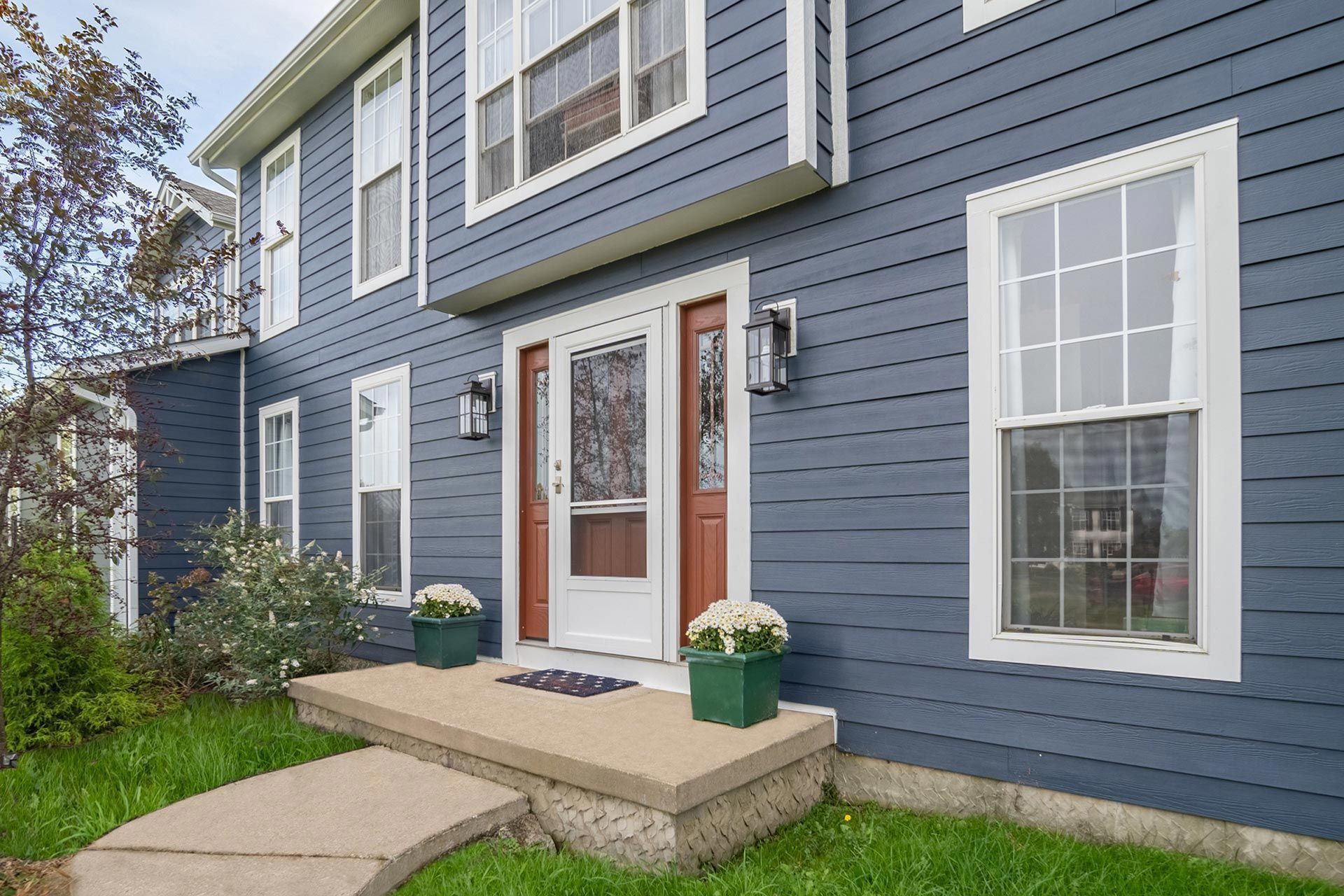
Two-story blue house with white trim, brown front door, and potted flowers on the porch.
November 13, 2025
A storm door is more than just an extra layer of glass or screen—it’s a powerful investment in your home’s comfort, safety, and energy efficiency. Designed to protect your main entry door from harsh weather, storm doors also help reduce energy loss and improve ventilation when needed.
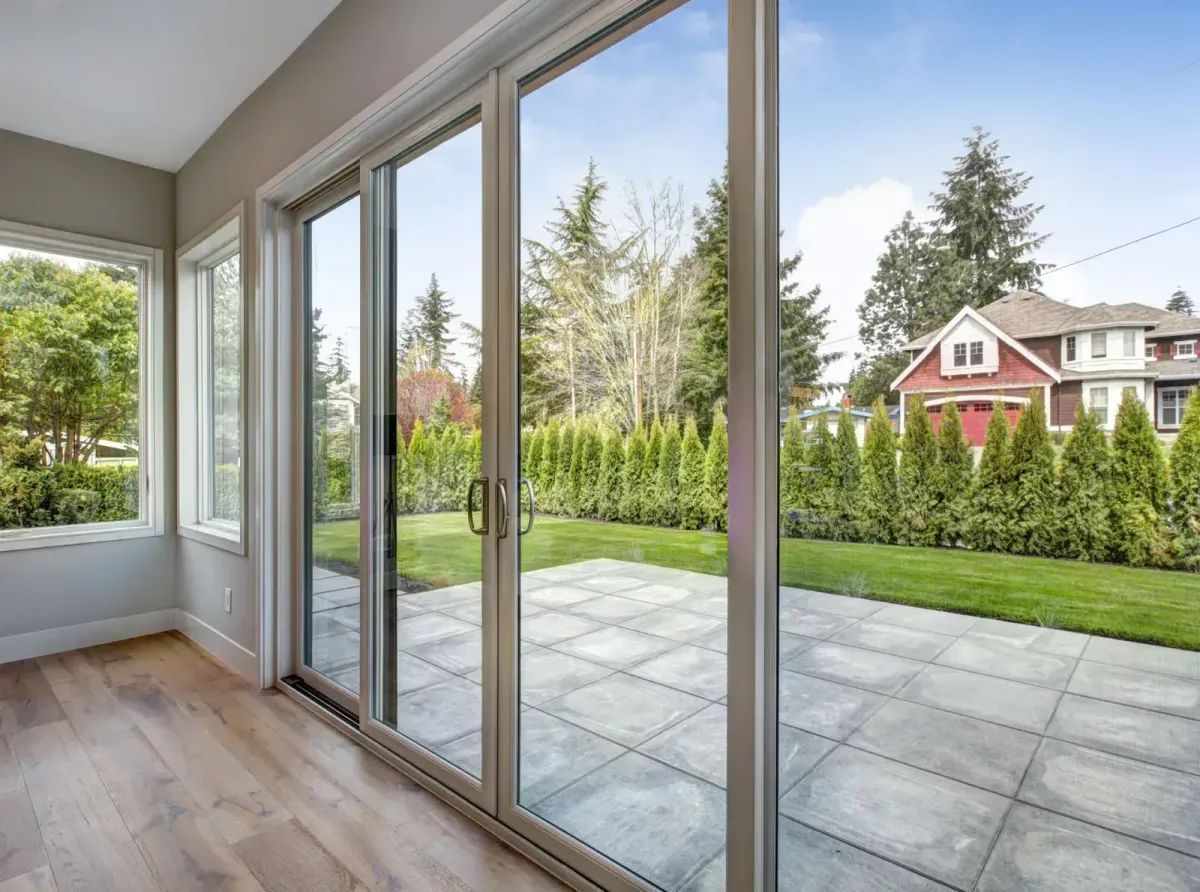
Interior view of a room with large glass sliding doors overlooking a patio and a house.
October 8, 2025
Choosing the right doors for your home is more than just a design decision; it impacts security, energy efficiency, and overall curb appeal. Doors are a major focal point for any home, and the right choice can enhance both the look and functionality of your living space.
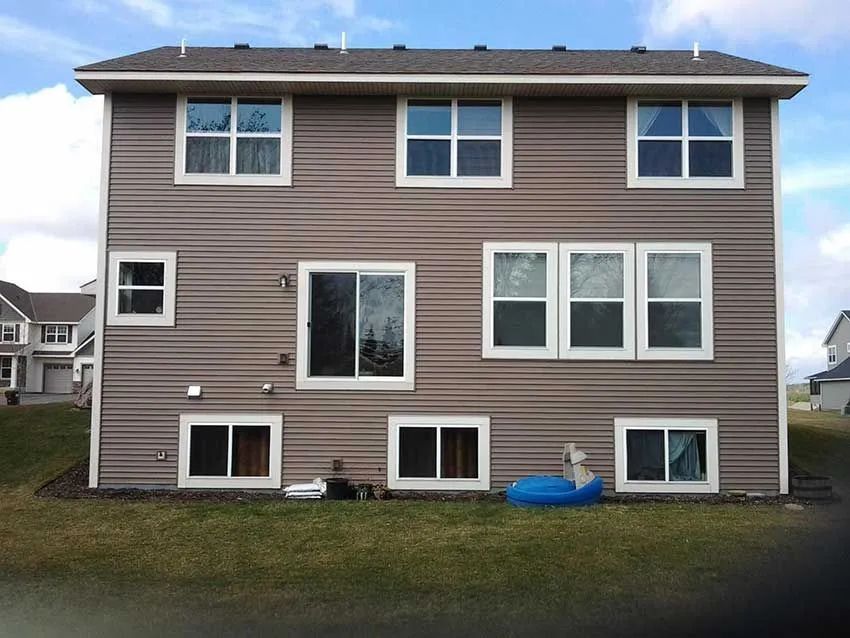
Rear view of two-story house with brown siding and multiple windows. Blue sky and green grass.
September 11, 2025
When it comes to home improvement, few elements make as lasting an impression as your windows. They not only define the character of your home from the outside but also play a crucial role in comfort and energy savings on the inside. Choosing the right windows can enhance your property’s curb appeal,
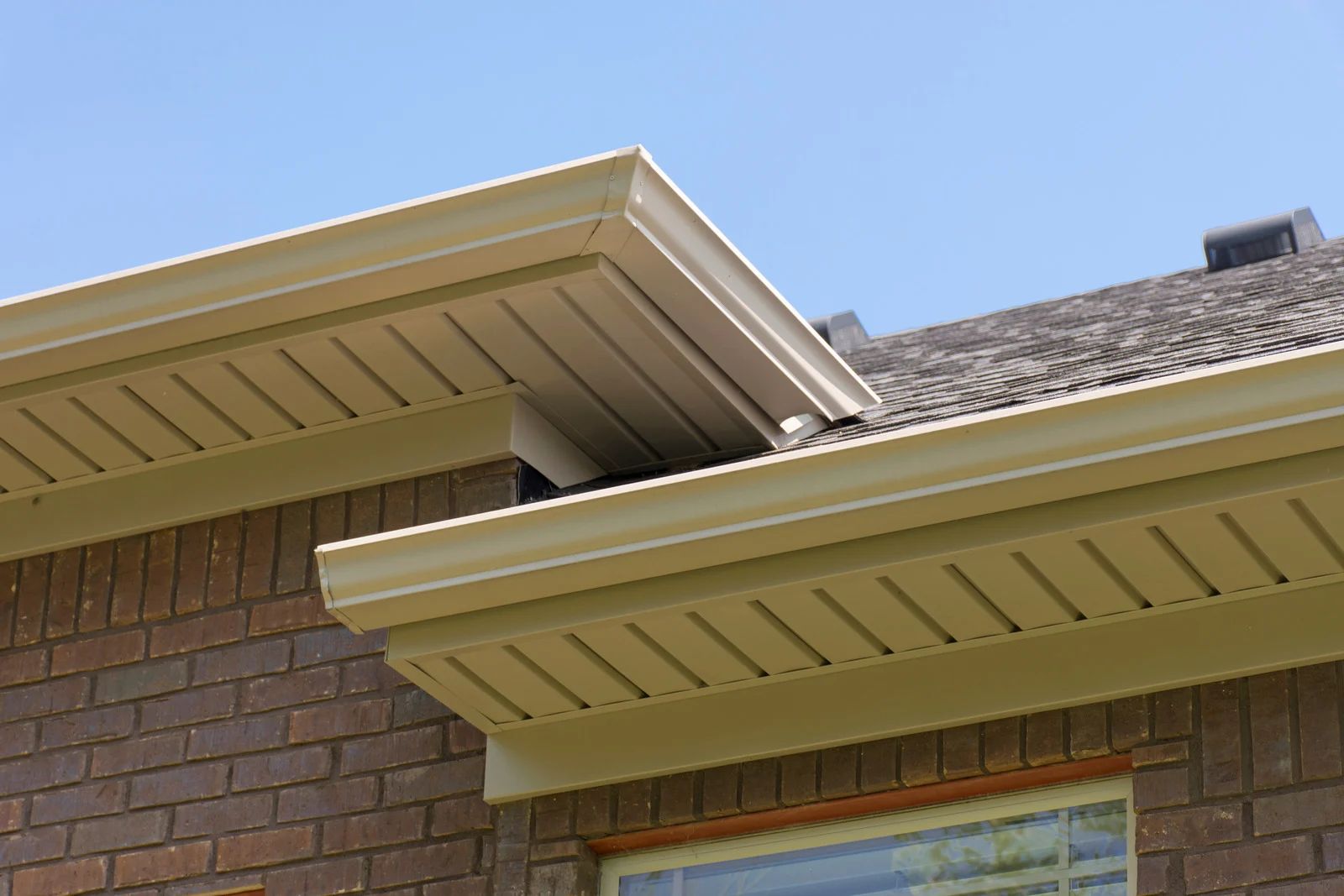
Two-story blue house with white trim, brown front door, and potted flowers on the porch.
November 13, 2025
A storm door is more than just an extra layer of glass or screen—it’s a powerful investment in your home’s comfort, safety, and energy efficiency. Designed to protect your main entry door from harsh weather, storm doors also help reduce energy loss and improve ventilation when needed.
Interior view of a room with large glass sliding doors overlooking a patio and a house.
October 8, 2025
Choosing the right doors for your home is more than just a design decision; it impacts security, energy efficiency, and overall curb appeal. Doors are a major focal point for any home, and the right choice can enhance both the look and functionality of your living space.
Rear view of two-story house with brown siding and multiple windows. Blue sky and green grass.
September 11, 2025
When it comes to home improvement, few elements make as lasting an impression as your windows. They not only define the character of your home from the outside but also play a crucial role in comfort and energy savings on the inside. Choosing the right windows can enhance your property’s curb appeal,
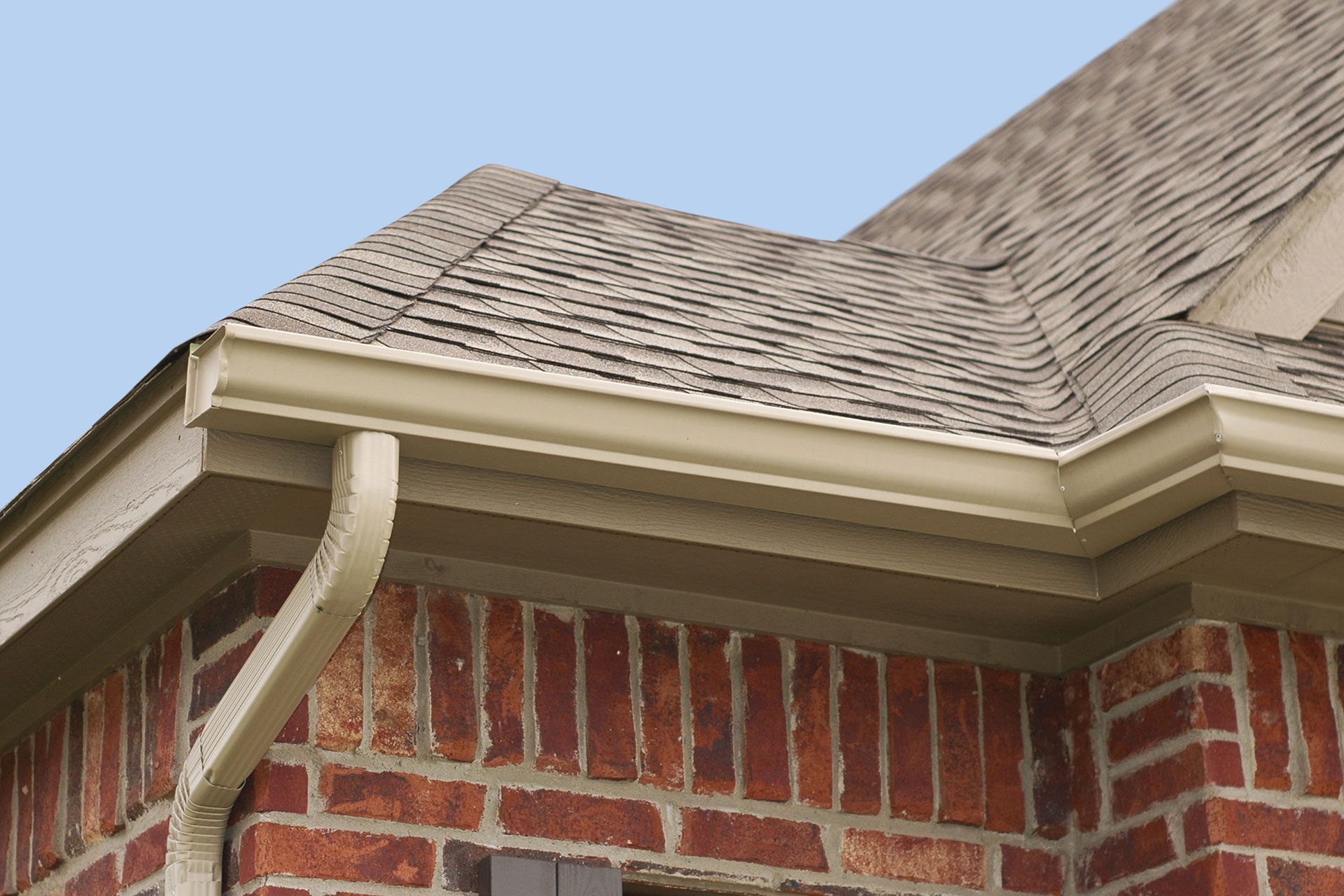
Beige soffit and gutters on a brick house with a dark shingled roof against a blue sky.
August 15, 2025
When it comes to roof maintenance, most homeowners focus on shingles, flashing, or gutters. But two of the most critical—yet often overlooked—components are the soffit and fascia. These structural elements play a silent but vital role in maintaining your roof’s integrity, ventilation, and overall curb appeal.
A brick house with a gutter on the side of it
July 18, 2025
Gutters play a critical role in the overall health of your home, protecting both its exterior and the foundation. While they are often overlooked, regular gutter maintenance is essential to ensuring that your home remains safe, dry, and structurally sound.
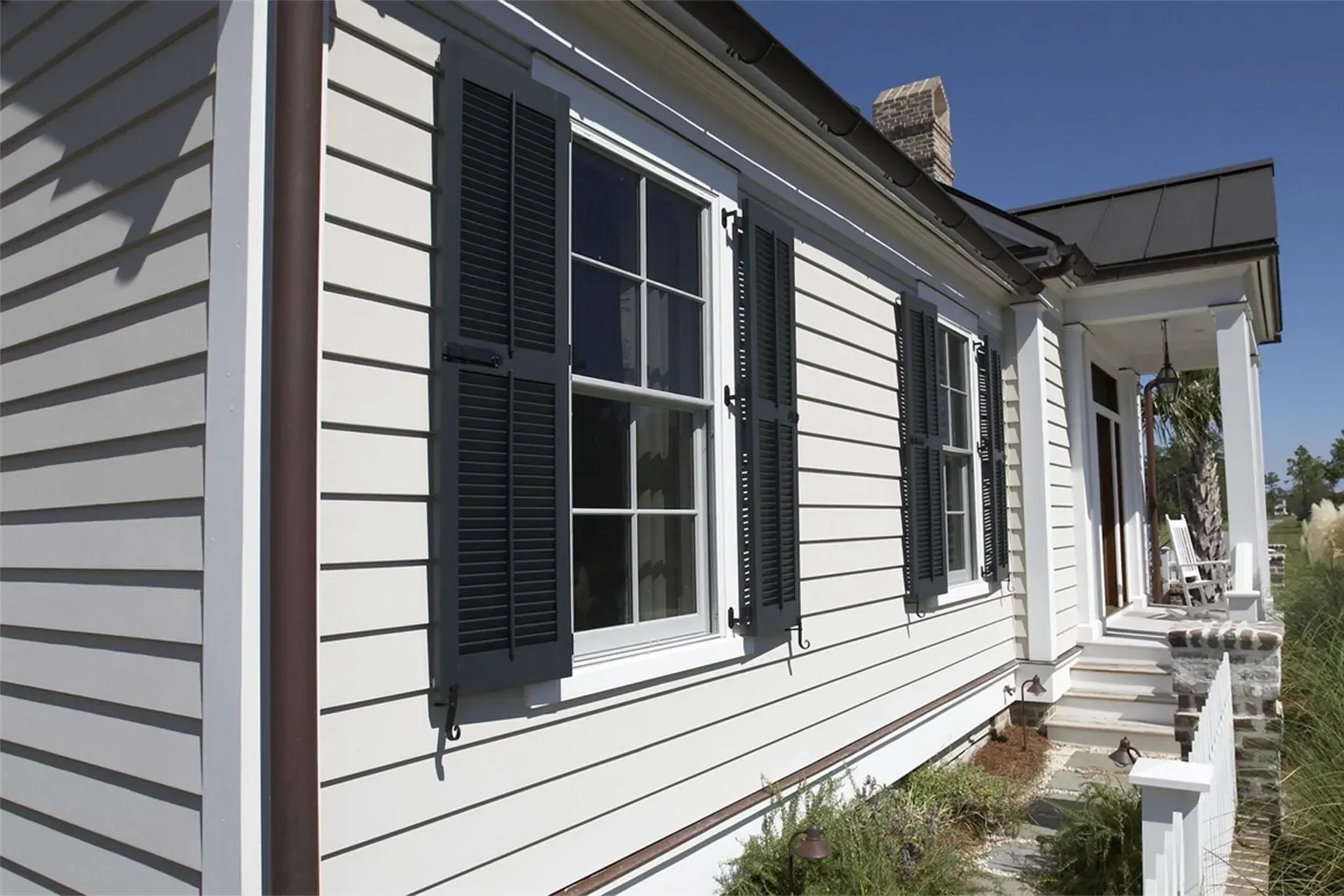
A white house with black shutters on the windows
June 10, 2025
Getting an instant roof quote can save you time and give you a clearer picture of what to expect when it comes to costs.
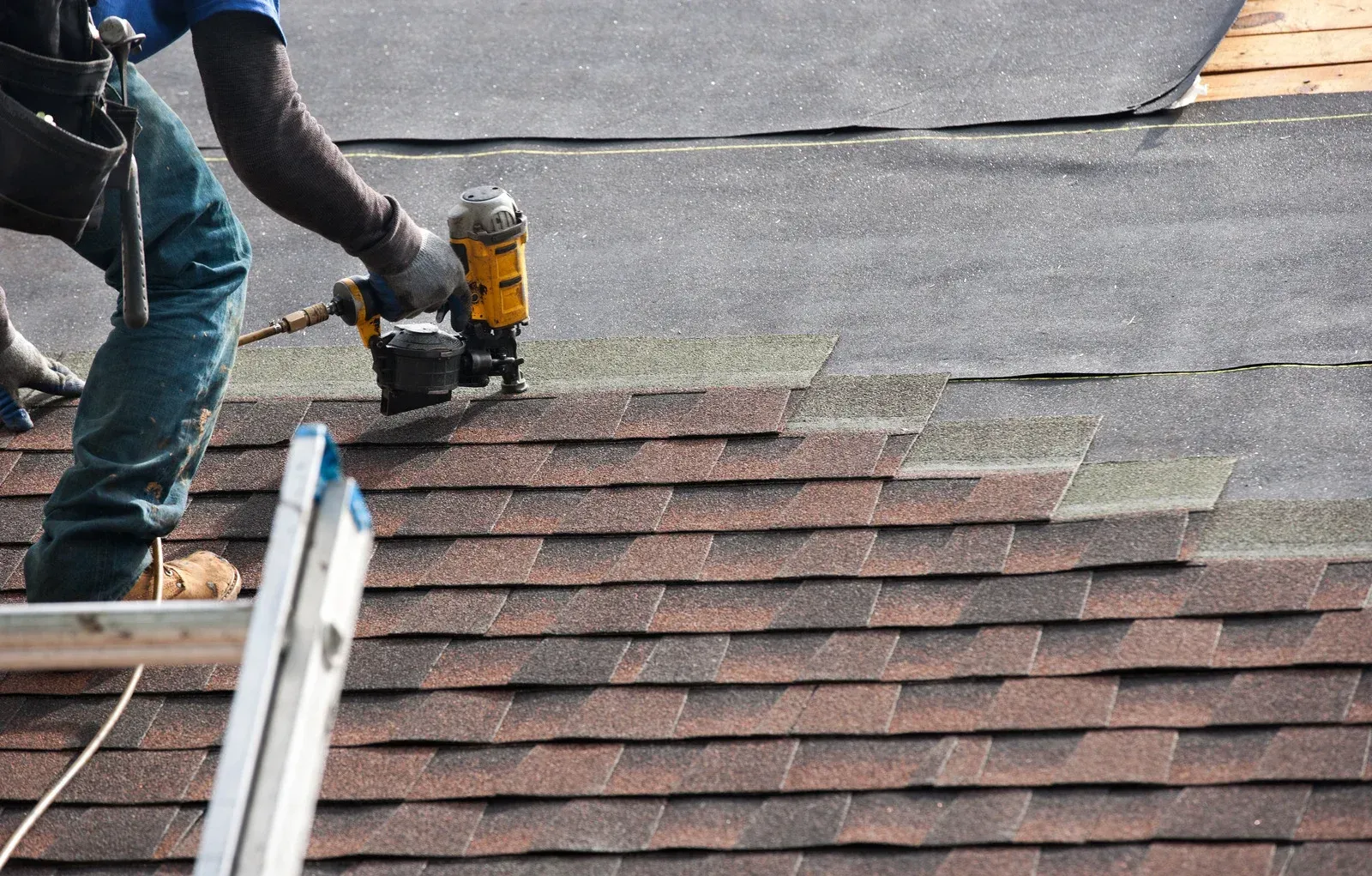
May 12, 2025
Your roof is one of the most critical components of your home, providing protection from the elements and maintaining the integrity of your living space.
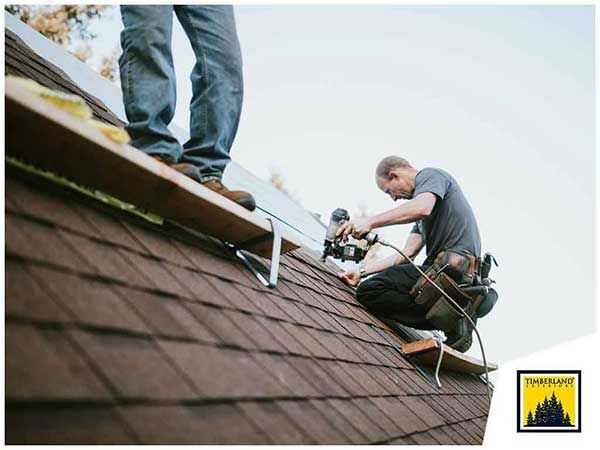
Two men are working on the roof of a house.
April 30, 2025
A roof is one of the most essential parts of your home. It keeps you protected from the elements and plays a critical role in the overall integrity of your house.
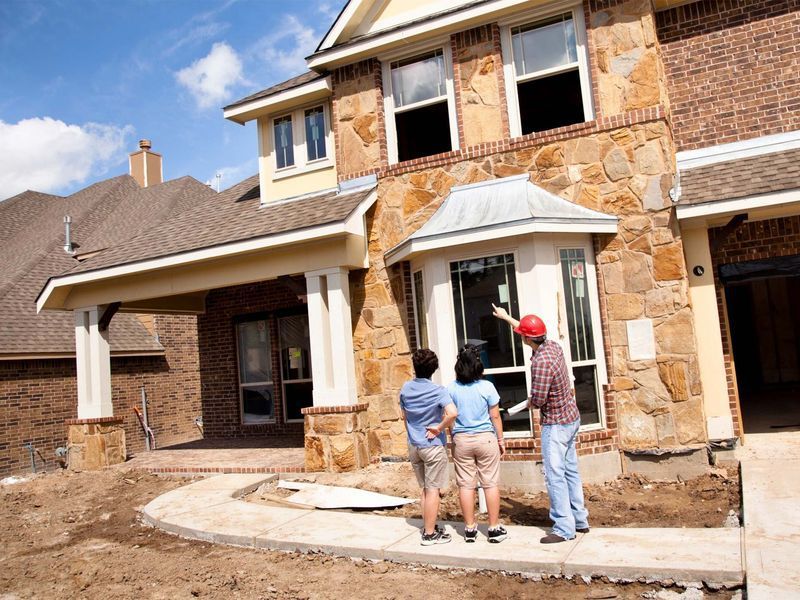
A group of people are standing in front of a house under construction.
May 8, 2024
Preparing your home for a roof installation is a crucial step to ensure that the process goes as smoothly as possible. Taking the time to get your home ready can significantly impact the efficiency and success of your roofing project.
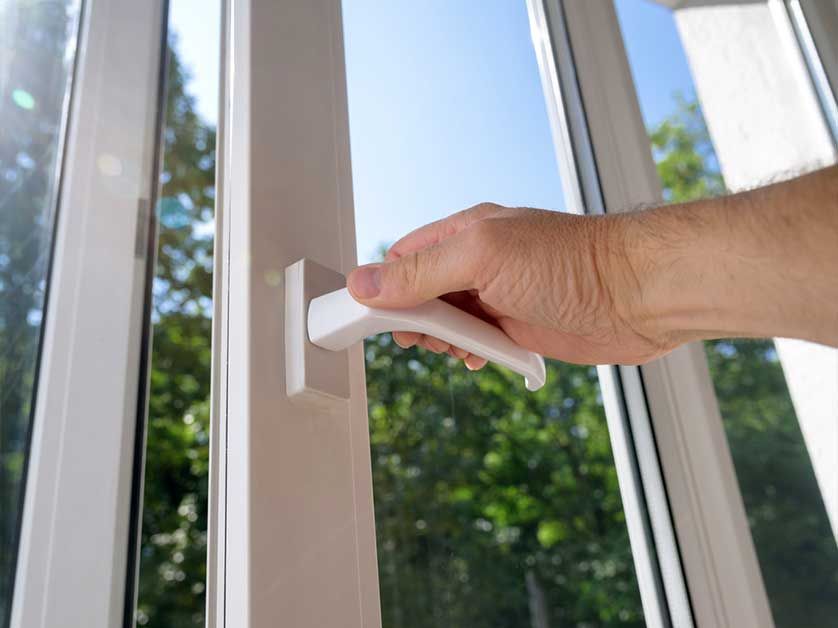
A person is opening a window with a white handle.
April 26, 2024
In today’s environment-conscious market, energy-efficient windows have become a core component of home improvement projects, particularly in areas known for their harsh climates, such as Maplewood, MN.

Show More