The Complete Home Exterior Renovation Checklist: Roof, Doors, and More
January 7, 2026

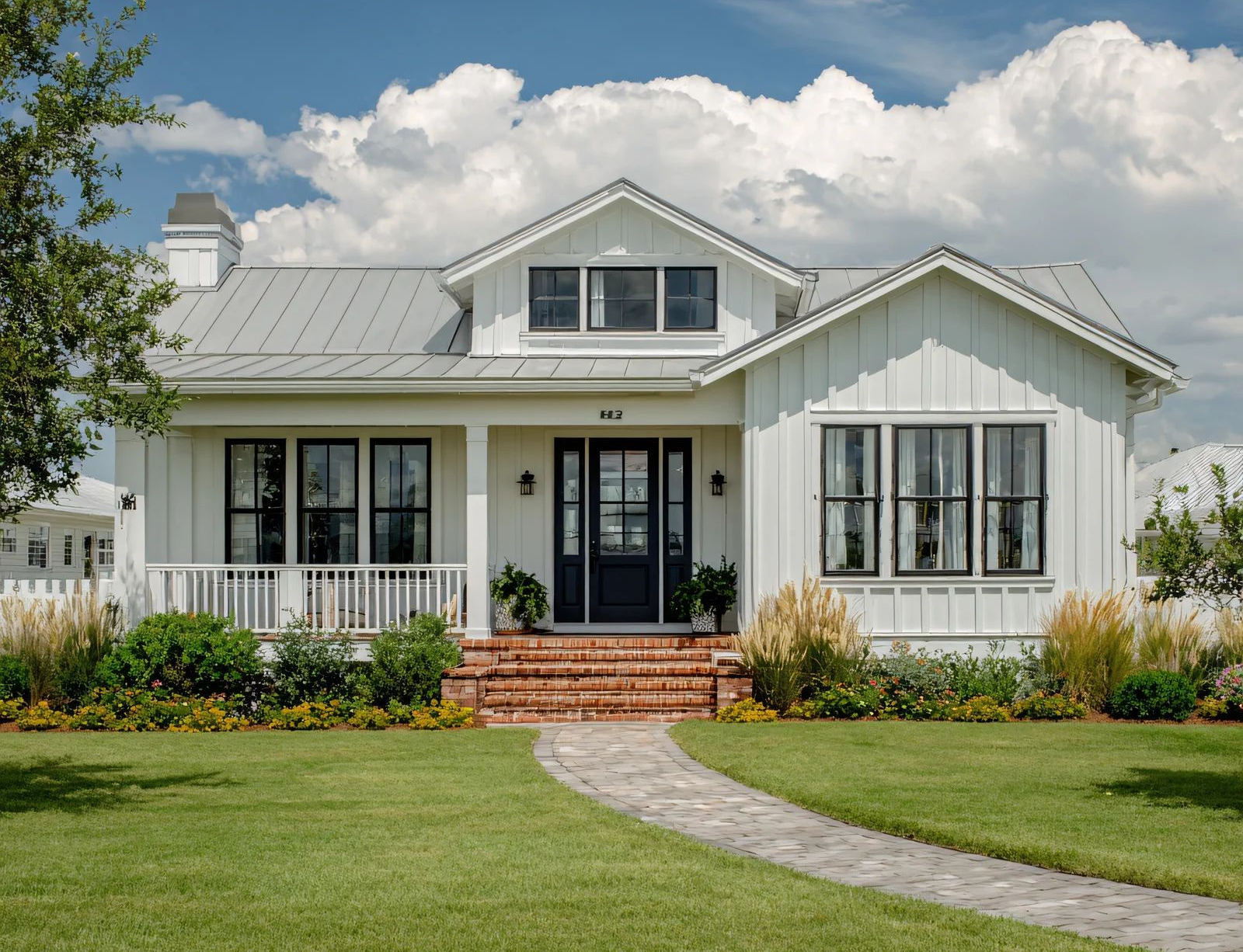
Renovating the exterior of your home is one of the most effective ways to boost curb appeal, enhance property value, and strengthen the protective shell that shields your investment. Whether you’re preparing to sell, planning long-term upgrades, or responding to wear and tear from harsh weather, exterior renovations require strategic planning. Each component—from the roof overhead to the windows, siding, gutters, and doors—plays a critical role in overall home performance. A well-planned renovation not only transforms the appearance of your home but also improves energy efficiency, safety, and durability. Because exterior elements are constantly exposed to weather, UV rays, and seasonal climate changes, timely renovations can prevent costly structural damage and maintain long-term property integrity.
The exterior renovation process can feel overwhelming without the right guidance. Knowing what to inspect, when to repair or replace, and which materials offer the best long-term value is essential for making informed decisions. Homeowners benefit greatly from approaching the renovation checklist methodically—understanding each step, evaluating potential challenges, and investing in solutions that balance aesthetics with performance. This comprehensive guide outlines every major area of exterior renovation, offering actionable insights and expert-backed best practices to help you plan confidently and achieve lasting results.
1. Roof Renovation and Structural Protection
Inspection and Damage Assessment
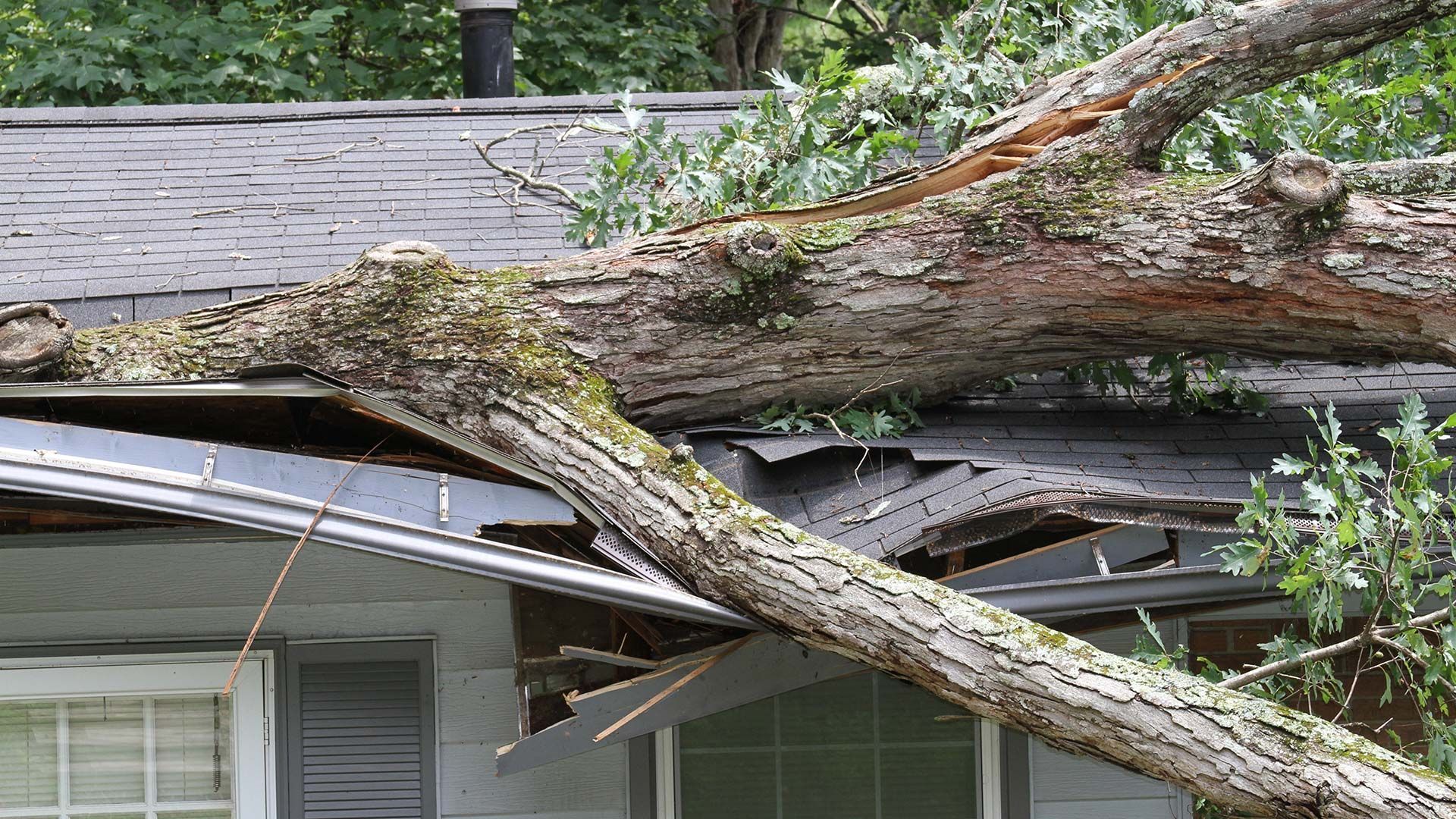
The roof is the first line of defense against the elements, making it a top priority in any exterior renovation checklist. A thorough inspection should include shingles, flashing, ventilation, underlayment, and structural decking. Homeowners should look for missing shingles, curling edges, granule loss, sagging areas, and water stains inside the attic. These warning signs often indicate hidden moisture problems or structural instability.
Repair vs. Replacement
Deciding between repairing and replacing your roof depends on the extent of damage and the age of the existing system. Small issues—such as isolated shingle damage—can typically be repaired. However, widespread deterioration, leaks, or sagging suggests that a full replacement offers better long-term value. Evaluating the material’s expected lifespan also helps guide this decision. Asphalt shingles typically last 20–30 years, while metal roofing, slate, and tile offer significantly longer durability.
Material Selection for Longevity
Material selection directly influences curb appeal, energy performance, and lifespan. Asphalt shingles remain the most common choice for affordability and versatility. Metal roofing provides superior weather resistance and energy efficiency, especially in climates with heavy snowfall or severe storms. Slate and clay tile deliver unmatched longevity but require structural support due to their weight. When choosing a material, consider climate patterns, architectural style, and long-term maintenance requirements.
2. Exterior Doors: Security, Style, and Efficiency
Assessing Door Performance
Exterior doors significantly impact home security, insulation, and overall appearance. Start by checking for drafts, cracks, sticking hinges, or warped frames. Doors that no longer seal properly allow air leakage, which increases energy costs and reduces indoor comfort. Additionally, aging locks or compromised frames can create security vulnerabilities.
Choosing the Right Replacement Door
Replacement options include steel, fiberglass, and solid wood. Steel doors provide superior security and durability, making them ideal for entryways. Fiberglass doors are known for their insulation value, minimal maintenance, and customizable designs. Wood doors offer unmatched elegance but require regular upkeep to prevent warping or moisture absorption. Consider the door’s insulation rating, material strength, and weather resistance when selecting a replacement.
Upgrading Hardware and Weatherstripping
A complete renovation includes updated handles, deadbolts, and smart locking technology. Weatherstripping should be replaced to prevent drafts and moisture intrusion. Installing new thresholds and seals also boosts energy efficiency. In climates with extreme temperatures, insulated or thermally broken door frames provide even stronger performance.
3. Windows and Siding: Energy Efficiency and Visual Appeal
Evaluating Window Condition
Windows are essential for insulation and natural light. Signs of deterioration include fogging between panes, rotted frames, drafts, or difficulty opening and closing. Aging windows can account for significant energy loss, especially in older homes. Evaluating their condition early helps prevent structural rot and excessive utility bills.
Choosing Replacement Windows
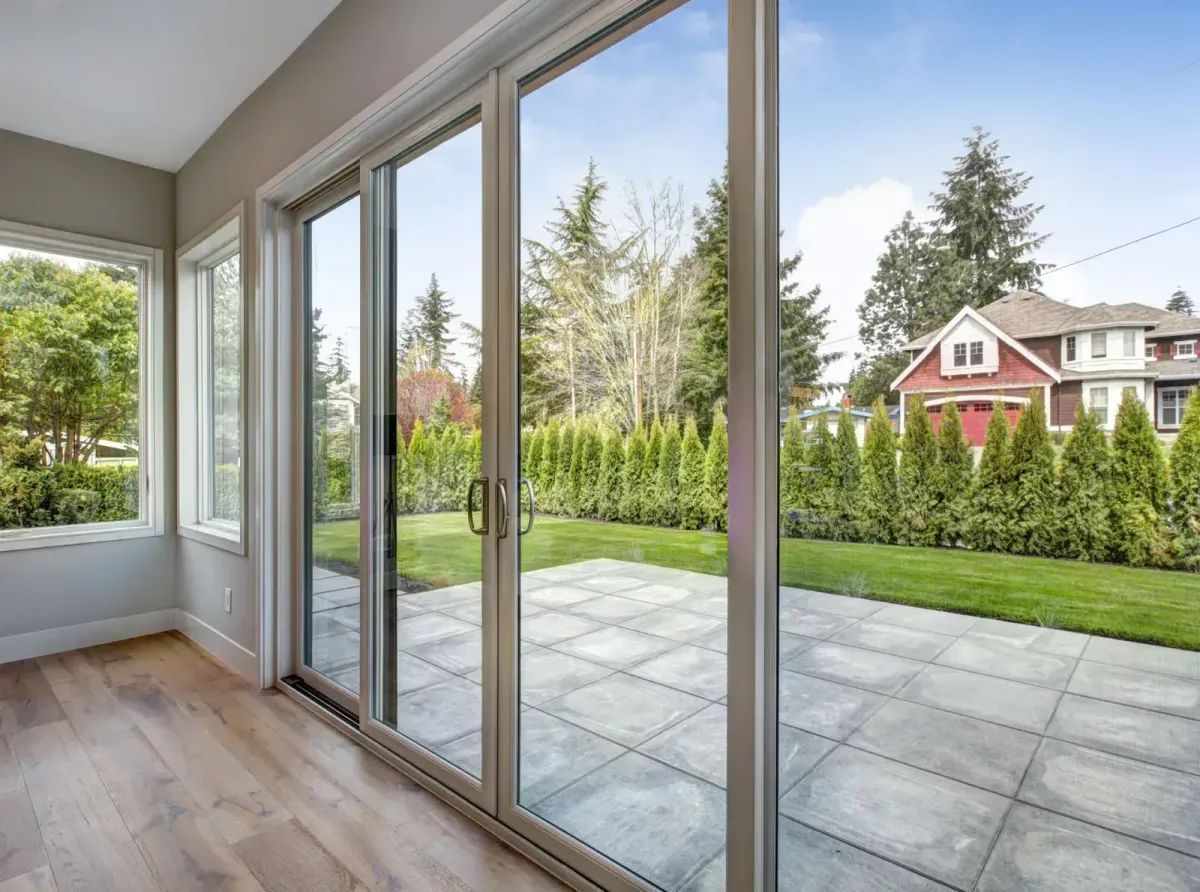
Double-pane and triple-pane options deliver substantial improvements in energy efficiency. Low-E coatings block harmful UV rays while maintaining indoor temperatures. Vinyl frames provide affordability and low maintenance, while wood frames offer premium aesthetics for traditional home designs. Fiberglass frames balance durability and insulation, making them ideal for climates with temperature fluctuations.
Siding Material Considerations
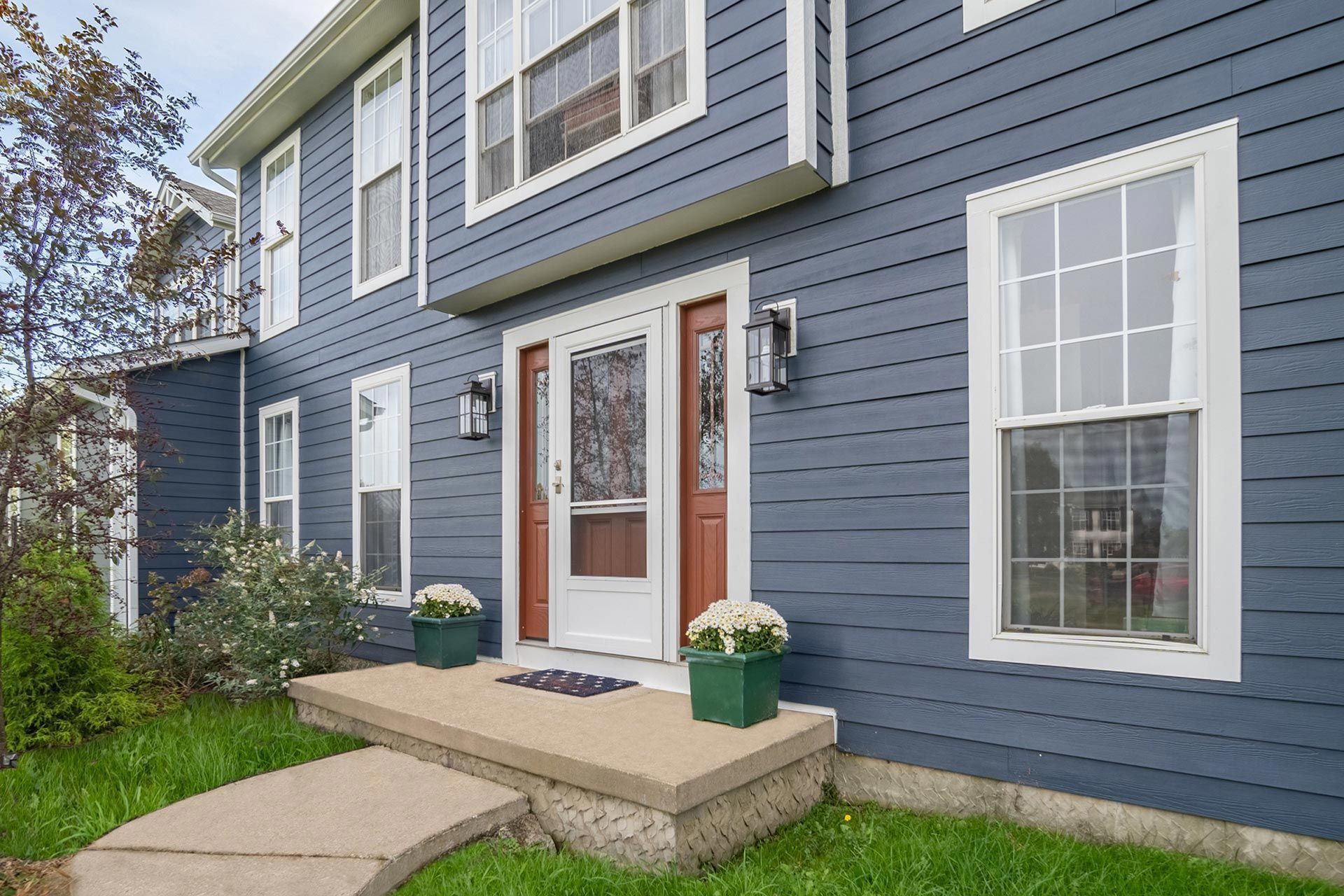
Siding protects your home from moisture damage while defining exterior aesthetics. Choosing the right material impacts longevity, cost, and maintenance. Vinyl siding remains popular for affordability and resistance to rot. Fiber cement siding provides superior durability, fire resistance, and a high-end appearance. Wood siding offers natural beauty but requires ongoing maintenance to protect against insects and moisture. Metal siding delivers long-term strength and a modern look.
Benefits of a Full Siding Upgrade
Replacing worn siding enhances insulation, reduces air leakage, and modernizes your home’s appearance. It also offers the opportunity to install a weather-resistant barrier, improving moisture management and structural protection. A full siding replacement can resolve hidden issues such as rot, mold, and insect damage.
4. Gutters, Drainage, and Water Management
Importance of Effective Gutter Systems
Gutters play a crucial role in directing rainwater away from the foundation. When they fail, water can pool around the home, causing basement leaks, soil erosion, and foundation cracks. Inspect gutters regularly for sagging, rust, loose brackets, or overflowing water during storms.
Gutter Replacement and Upgrades
Modern gutter materials include aluminum, steel, copper, and vinyl. Aluminum offers excellent durability at a reasonable cost, while copper provides luxury aesthetics and long lifespan. Seamless gutters reduce the risk of leaks by eliminating joints where water commonly escapes. Leaf guards help prevent clogs and reduce annual maintenance requirements.
Downspouts and Drainage Improvements
Proper drainage extends beyond gutters. Downspouts should direct water at least five feet away from the house. Extensions or underground drainage systems can further protect landscaping and prevent moisture from seeping into crawl spaces or basements. In areas prone to heavy rainfall, installing French drains or grading the soil away from the home adds another layer of protection.
5. Landscaping, Hardscapes, and Curb Appeal Enhancements
Strengthening Structural and Visual Design
While structural components often take priority, landscaping also plays a vital role in exterior renovation. Overgrown shrubs, dying trees, or poor grading can lead to moisture buildup and pest infestations. Incorporating proper landscaping not only elevates curb appeal but also supports drainage and home durability.
Hardscape Improvements
Hardscaping includes walkways, patios, retaining walls, and steps. Cracked concrete, uneven pavers, or deteriorating railings can pose safety hazards. Upgrading these features improves functionality and aesthetics. Modern materials like composite decking, stone veneer, and stamped concrete offer long-lasting design versatility.
Outdoor Lighting and Security
Exterior lighting enhances safety, visibility, and architectural beauty. Motion-sensor lights near entrances deter intruders, while pathway lighting helps guide guests safely at night. LED systems offer energy efficiency and long lifespan, making them ideal for large outdoor areas.
6. Paint, Finishes, and Final Exterior Touches
Choosing the Right Exterior Paint
A fresh coat of paint significantly transforms your home’s appearance while adding an extra layer of protection. Look for high-quality paints formulated for UV resistance, rain protection, and temperature resilience. Lighter colors can help reduce heat absorption, while darker shades emphasize architectural features.
Trim, Fascia, and Soffit Improvements
These elements frame your exterior and protect roof edges and ventilation systems. Rot, peeling paint, and pest damage are common issues. Replacing or repairing damaged sections improves durability and enhances visual cohesion. PVC and composite materials offer longevity with minimal maintenance requirements.
Final Inspections and Maintenance Planning
At the end of the renovation, conduct a complete walkthrough to confirm that every component—roofing, windows, doors, gutters, siding, and paint—meets your expectations. Documenting installation dates and materials helps create a long-term maintenance plan. Seasonal inspections ensure your new exterior continues performing at peak levels.
A complete home exterior renovation requires careful planning, thorough inspections, and informed decision-making. From the roof that protects your structure to the siding, gutters, doors, and windows that improve efficiency and comfort, each component contributes to long-term value and resilience. When approached methodically, an exterior renovation not only revitalizes curb appeal but also strengthens your home’s ability to withstand weather, aging, and structural stress. Investing in high-quality materials and professional guidance ensures that improvements last and add meaningful value to your property.
Improving Home Safety Through Comprehensive Exterior Work
When it comes to
exterior renovations, choosing an experienced partner is essential for achieving dependable, high-quality results. Timberland Exteriors, based in Stillwater, MN, brings 50
years of industry expertise to every project, offering homeowners a trusted resource for complete exterior transformations. Their team understands the complexities of roofing systems, siding materials, window installations, gutter improvements, and door upgrades, ensuring that each renovation is handled with precision and long-term performance in mind. With a commitment to quality craftsmanship and customer satisfaction, they approach every home with the care and attention it deserves. Timberland Exteriors
emphasizes clear communication, honest assessments, and tailored solutions that align with each homeowner’s goals, whether it’s improving energy efficiency, enhancing curb appeal, or strengthening storm resistance. With two decades of proven reliability, they remain a dependable choice for homeowners seeking expert exterior renovation services backed by local knowledge and a strong dedication to excellence.